
Basic and Computational Neuroscience
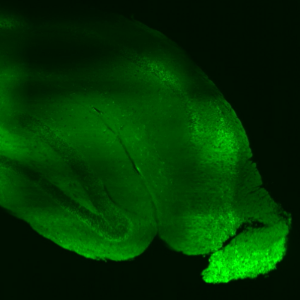
This area investigates the human and animal nervous system using neuroanatomy, molecular biology, electrophysiology, behavioral studies, and brain imaging. It integrates experimental data with computational models. Research includes the use of stem cells and organoids to explore physiological and pathological brain mechanisms as well as computational models validation.
Clinical Neuroscience
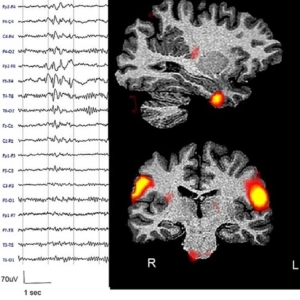
This area focuses on neurological and psychiatric disorders across the lifespan. It explores genetic and epigenetic risk factors using targeted and omics approaches. Techniques include electrophysiology, eye-tracking, and brain imaging. Therapeutic interventions are studied to assess their effectiveness and safety, including non-invasive brain stimulation and psychosocial rehabilitation.

Cognitive Neuroscience and Psychology
Studies human cognitive functions and their neural basis. Methods include behavioral testing, psychophysiology, and neuroimaging. Topics include language, attention, executive functions, emotion, empathy, and social cognition. Research involves both healthy subjects and patients with neurological conditions.
Available Research Topics for XLI Cycle
-
Tutor: Prof.ssa Francesca Benuzzi – Unravelling Olfaction, Memory and Emotion: Shared Neural Mechanisms Across Cognitive Domains [Co-tutor: Prof.ssa Fausta Lui]
-
Tutor: Prof.ssa Sendy Caffarra – Neuroplasticity of Language
-
Tutor: Prof.ssa Serena Carra – Role of chaperones in the cell stress response and implications in neurodegenerative diseases characterized by protein aggregation
- Tutor: Prof.ssa Serena Carra – Understanding the role of HSPB3 in neuromuscular diseases
-
Tutor: Prof.ssa Angela Ciaramidaro – Investigation of the neurocognitive mechanism involved in complex social interactions in typical and atypical population using EEG-Hyperscanning [Co-tutor: Prof. Sandro Rubichi]
-
Tutor: Prof.ssa Giulia Curia – Innovative therapeutic intervention for traumatic brain injury
-
Tutor: Prof.ssa Cristina Iani – Serial dependence in joint action contexts [Co-tutor: Prof Sandro Rubichi, Prof. Antonio Visalli]
-
Tutor: Prof.ssa Fausta Lui – Feeling and Seeing Pain: Cognitive and Affective Mechanisms of Pain Processing [Co-tutor: Prof.ssa Francesca Benuzzi]
-
Tutor: Prof Jonathan Mapelli – Development of neuromorphic platforms for highly energy-efficient artificial intelligence algorithms [Co-Tutor: Prof.ssa Gandolfi Daniela]
-
Tutor: Prof.ssa Francesca Pesciarelli – Neural correlates involved in the processing of gender stereotypes and racial prejudice in monolingual and bilingual populations
-
Tutor: Prof. Sandro Rubichi – The neurocognitive bases of joint action [Co-tutor: Prof.ssa Angela Ciaramidaro, Prof.ssa Cristina Iani, Prof Antonio Visalli]
-
Tutor: Dott.ssa Manuela Tondelli – Proposed Title of the research: Neural network dysfunction underlying anosognosia in the Alzheimer’s Disease continuum and other neurodegenerative dementias
-
Tutor: Prof.ssa Anna Elisabetta Vaudano – Phenotypic characterization of late-onset epilepsies (LOE) through serum biomarkers, cognitive testing and advanced brain imaging techniques
-
Tutor: Prof.ssa Anna Elisabetta Vaudano – Neuro-vascular coupling patterns during wakefulness and sleep in Genetic Generalized Epilepsies (GGE)
- Tutor: Prof.ssa Anna Elisabetta Vaudano – Optimizing epilepsy imaging: use and implementation of the open-source tool SWANe-“Standardized Workflow for Advanced Neuroimaging in Epilepsy”
- Tutor: Prof. Giuseppe Pagnoni – Investigating mechanisms of mental effort through computational modelling based on active inference
- Tutor: Prof. Corrado Iaccarino – Quantitative Haemoglobin Degradation Analysis in Aneurysmal Subarachnoid Haemorrhage: Clipping vs Coiling — Radiomics, AI, Vasospasm and DCI Correlation Study [Co-tutor: Prof Giacomo Pavesi]